Champagne vs Prosecco: 8 Key Differences (Which Is Better?)
What's the difference between Champagne and Prosecco? Compare taste, price, bubbles, sweetness, and production methods to choose the right sparkling wine.
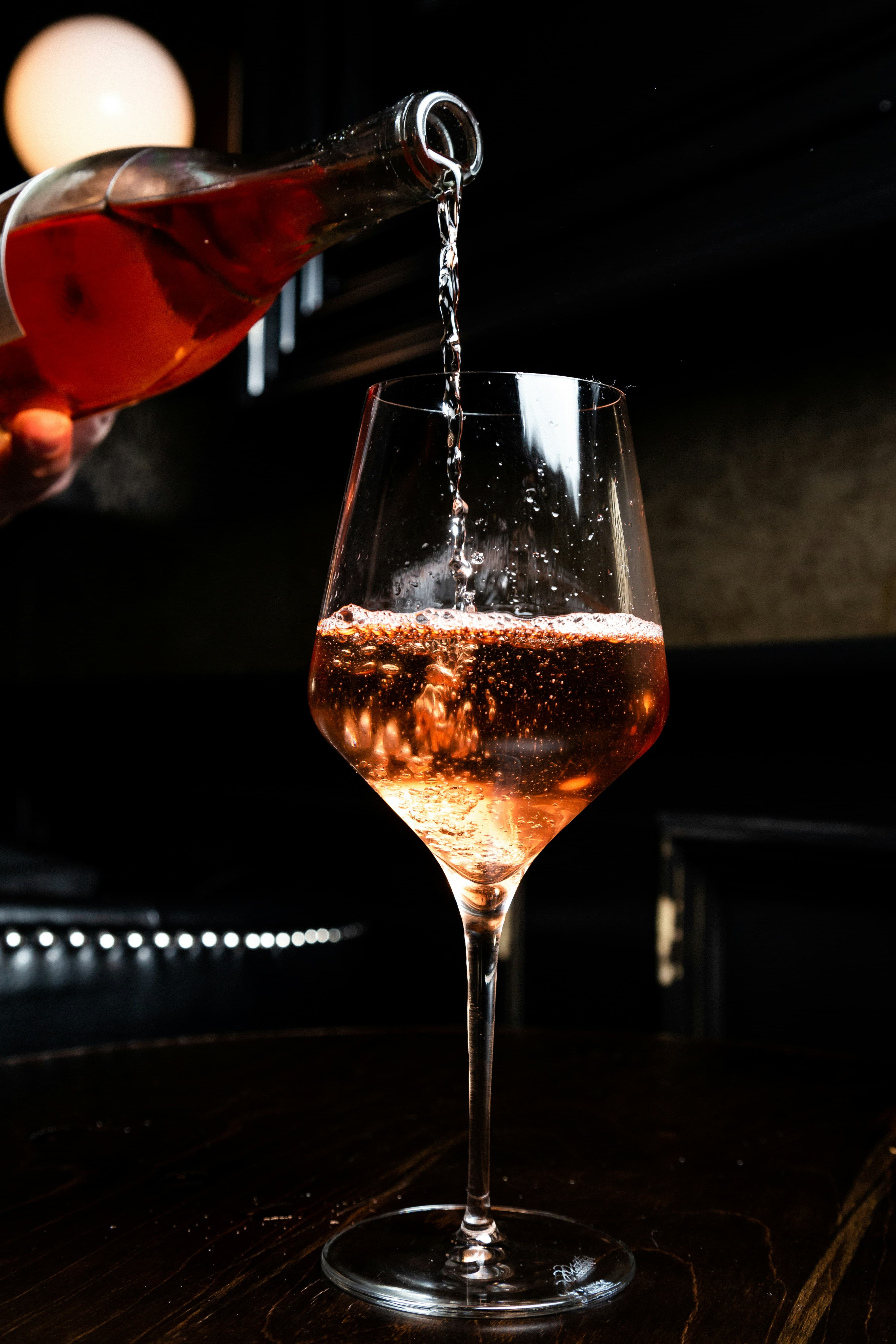
Champagne vs Prosecco: 8 Key Differences Explained
Shopping for sparkling wine and unsure whether to grab Champagne or Prosecco? While both are bubbly and celebratory, they're quite different in taste, production method, and price. This guide breaks down everything you need to know to choose the right sparkler for any occasion.
Quick Answer
The main differences:
| Factor | Champagne | Prosecco | |-----------|--------------|-------------| | Origin | Champagne, France | Veneto, Italy | | Grapes | Chardonnay, Pinot Noir, Pinot Meunier | Glera | | Production | Traditional Method (bottle-fermented) | Charmat Method (tank-fermented) | | Bubbles | Fine, persistent, mousse-like | Larger, softer, less persistent | | Taste | Toasty, complex, yeasty, crisp | Fruity, floral, light, refreshing | | Sweetness | Typically drier (Brut) | Slightly sweeter (off-dry) | | Alcohol | 12-12.5% | 11-11.5% | | Price | $40-$300+ | $10-$25 |
1. Origin: Geography Matters
Champagne (France)
Where: Champagne region, northeast France (Reims, Épernay)
Protected name: Only sparkling wine from this region can legally be called "Champagne"
Fun fact: The Champagne region has chalky soil and cool climate, giving the wine its characteristic acidity and elegance.
Prosecco (Italy)
Where: Veneto and Friuli Venezia Giulia regions, northeast Italy
Protected name: "Prosecco DOC" (Denominazione di Origine Controllata) guarantees origin
Premium version: "Prosecco Superiore DOCG" from Conegliano-Valdobbiadene hills
Fun fact: Prosecco has been made in Italy since Roman times but gained international popularity in the 2000s.
2. Grapes: Different Varietals, Different Flavors
Champagne Grapes
Main grapes (typically a blend):
- Chardonnay (white grape) – Adds elegance, citrus, finesse
- Pinot Noir (red grape) – Adds body, structure, red fruit
- Pinot Meunier (red grape) – Adds fruitiness, approachability
Styles:
- Blanc de Blancs – 100% Chardonnay (lighter, more delicate)
- Blanc de Noirs – 100% Pinot Noir/Meunier (richer, fuller-bodied)
Prosecco Grapes
Main grape:
- Glera – 85%+ of the blend (formerly called Prosecco grape)
Minor grapes (sometimes blended):
- Verdiso, Bianchetta, Perera
Result: Light, aromatic, fruity, less complex than Champagne
3. Production Method: The Biggest Difference
Champagne: Traditional Method (Méthode Champenoise)
How it's made:
- Base wine: Still wine is fermented in tanks
- Bottling: Wine is bottled with yeast and sugar
- Second fermentation: Happens inside each bottle (creates bubbles)
- Aging on lees: Yeast cells remain in bottle for months to years
- Riddling (remuage): Bottles are rotated to move yeast to neck
- Disgorging: Yeast is removed, dosage (sugar) is added
- Final cork and cage: Bottle is sealed
Time required: Minimum 15 months (often 3-7 years for premium)
Result: Complex, toasty, bread-like flavors from yeast contact
Cost: Labor-intensive = expensive
Prosecco: Charmat Method (Tank Method)
How it's made:
- Base wine: Still wine is fermented
- Second fermentation: Happens in large pressurized steel tanks
- Short aging: 1-2 months (not years)
- Filtered and bottled: Wine is filtered and bottled under pressure
Time required: A few weeks to months
Result: Fresh, fruity, floral flavors preserved
Cost: Efficient production = affordable
Why it works: Prosecco's Glera grape is aromatic and fruity – the Charmat method preserves these delicate flavors instead of masking them with yeast character.
4. Taste and Flavor Profile
Champagne Taste
Flavor characteristics:
- Toasted bread, brioche, biscuit (from yeast aging)
- Citrus (lemon, grapefruit)
- Apple, pear
- Almond, hazelnut
- Minerality, chalk
- Sometimes honey or butter
Texture: Creamy, mousse-like bubbles
Body: Medium to full
Finish: Long, complex
Best described as: Elegant, sophisticated, layered
Prosecco Taste
Flavor characteristics:
- Green apple, pear
- White peach, apricot
- Honeydew melon
- White flowers (honeysuckle, wisteria)
- Sometimes lemon zest
Texture: Light, refreshing, soft bubbles
Body: Light to medium
Finish: Short, clean
Best described as: Fresh, fruity, easy-drinking
5. Bubbles: Size and Persistence Matter
Champagne Bubbles
- Size: Tiny, fine, persistent (like a mousse)
- Why: Bottle fermentation creates smaller, more integrated bubbles
- Experience: Creamy, luxurious mouthfeel
Prosecco Bubbles
- Size: Larger, softer, less persistent
- Why: Tank fermentation creates bigger bubbles
- Experience: Lighter, more playful
Fun fact: Champagne typically has higher pressure (5-6 atmospheres) than Prosecco (2.5-3 atmospheres).
6. Sweetness Levels
Champagne Sweetness
Most Champagne is Brut (dry):
- Brut Nature / Zero Dosage: 0-3 g/L sugar (bone dry)
- Extra Brut: 0-6 g/L (very dry)
- Brut: 0-12 g/L (dry – most common)
- Extra Dry: 12-17 g/L (off-dry, confusingly named!)
- Sec: 17-32 g/L (medium-sweet)
- Demi-Sec: 32-50 g/L (sweet)
- Doux: 50+ g/L (very sweet – rare)
Prosecco Sweetness
Most Prosecco is off-dry to slightly sweet:
- Brut: 0-12 g/L (dry, but Prosecco "Brut" often tastes sweeter than Champagne "Brut")
- Extra Dry: 12-17 g/L (slightly sweet – this is the most common Prosecco!)
- Dry: 17-32 g/L (noticeably sweet)
Important: Prosecco labeled "Extra Dry" is actually slightly sweet, which surprises many people!
7. Price: The Budget Factor
Champagne Prices
- Entry-level: $40-$60 (Moët, Veuve Clicquot, Taittinger)
- Mid-range: $60-$150 (Bollinger, Pol Roger, Ruinart)
- Premium: $150-$300+ (Dom Pérignon, Krug, Cristal)
- Vintage Champagne: $80-$500+
Why so expensive?
- Labor-intensive production
- Long aging requirements
- Prestigious region
- High demand
Prosecco Prices
- Entry-level: $10-$15 (La Marca, Mionetto, Ruffino)
- Mid-range: $15-$25 (Bisol, Nino Franco)
- Premium (Superiore DOCG): $25-$50 (Sorelle Bronca, Case Paolin)
Why it's affordable:
- Efficient tank production
- Shorter aging
- Larger production volumes
Best value: $12-$18 range for excellent everyday Prosecco
8. When to Choose Each One
Choose Champagne For:
✅ Special celebrations – Weddings, anniversaries, New Year's Eve ✅ Formal dinners – Pairs beautifully with oysters, caviar, lobster ✅ Impressing guests – Champagne = luxury ✅ Complex flavors – When you want depth and sophistication ✅ Food pairing – Versatile with appetizers, seafood, fried foods
Mood: Elegant, refined, celebratory
Choose Prosecco For:
✅ Casual celebrations – Brunches, girls' nights, weekend toasts ✅ Daytime drinking – Lower alcohol, lighter body ✅ Mixing cocktails – Bellinis, Aperol Spritz, mimosas ✅ Easy drinking – Fruity, approachable, no "intimidation factor" ✅ Budget-friendly – Great quality without the price tag
Mood: Fun, fresh, relaxed
Food Pairing Comparison
Champagne Pairs Best With:
- Oysters and raw shellfish
- Caviar
- Fried chicken or tempura
- Salty snacks (potato chips, popcorn, fries)
- Soft cheeses (brie, camembert)
- Sushi and sashimi
Why: High acidity and bubbles cut through fat and salt
Prosecco Pairs Best With:
- Prosciutto and cured meats
- Fresh fruit (especially peaches)
- Light appetizers and antipasti
- Salads and vegetables
- Mild cheeses (mozzarella, burrata)
- Brunch foods
Why: Fruity, light profile doesn't overpower delicate flavors
Champagne vs Prosecco: Which Is Better?
The honest answer: Neither – they're just different.
Choose Champagne if you:
- Want complexity and depth
- Prefer drier sparkling wine
- Are celebrating something major
- Don't mind spending $40-$100+
Choose Prosecco if you:
- Want fruity, easy-drinking bubbles
- Prefer slightly sweeter wine
- Drink sparkling wine regularly
- Want great value ($10-$20)
Pro tip: You can enjoy both! Prosecco for casual weekends, Champagne for special occasions.
Other Sparkling Wine Options
Don't forget about these alternatives:
Cava (Spain)
- Traditional method like Champagne
- Affordable ($10-$20)
- Dry, crisp, great value
Crémant (France)
- Traditional method, made outside Champagne
- High quality, $15-$30
- Similar to Champagne but less expensive
Franciacorta (Italy)
- Traditional method
- Italy's answer to Champagne
- $25-$60, elegant and complex
Frequently Asked Questions
Q: Is Prosecco just cheap Champagne? A: No! They're completely different wines made with different grapes, methods, and flavor profiles. Prosecco isn't trying to be Champagne.
Q: Why can't Prosecco be called Champagne? A: "Champagne" is a legally protected name that can only be used for sparkling wine from the Champagne region of France.
Q: Which has more alcohol, Champagne or Prosecco? A: Champagne typically has 12-12.5% ABV, Prosecco is slightly lower at 11-11.5% ABV.
Q: Does Prosecco go flat faster than Champagne? A: Yes, Prosecco has softer bubbles and lower pressure, so it goes flat within 1-2 days after opening. Champagne lasts 2-3 days.
Q: Can you use Prosecco instead of Champagne in recipes? A: Yes! Prosecco works great in mimosas, Bellinis, and other cocktails. It's more affordable for mixing.
Q: Which is healthier? A: Both are similar. Prosecco has slightly fewer calories (80-90 per 5 oz glass vs 90-100 for Champagne) due to lower alcohol.
The Bottom Line
Champagne is sophisticated, complex, and premium – perfect for major celebrations and special occasions.
Prosecco is fresh, fruity, and fun – ideal for casual gatherings and everyday enjoyment.
Both are delicious sparkling wines with unique characteristics. The best choice depends on your budget, occasion, and taste preferences.
Your Turn
Ready to pop some bubbles? Try both side-by-side to taste the difference!
Are you Team Champagne or Team Prosecco? Share your preference with us on social media using #MostlyWines!