Napa Valley Wine Guide: Best Wineries, Regions & What to Know
Complete guide to Napa Valley wine country. Learn about Cabernet Sauvignon, top wineries, sub-regions, and how to plan the perfect wine tasting trip.
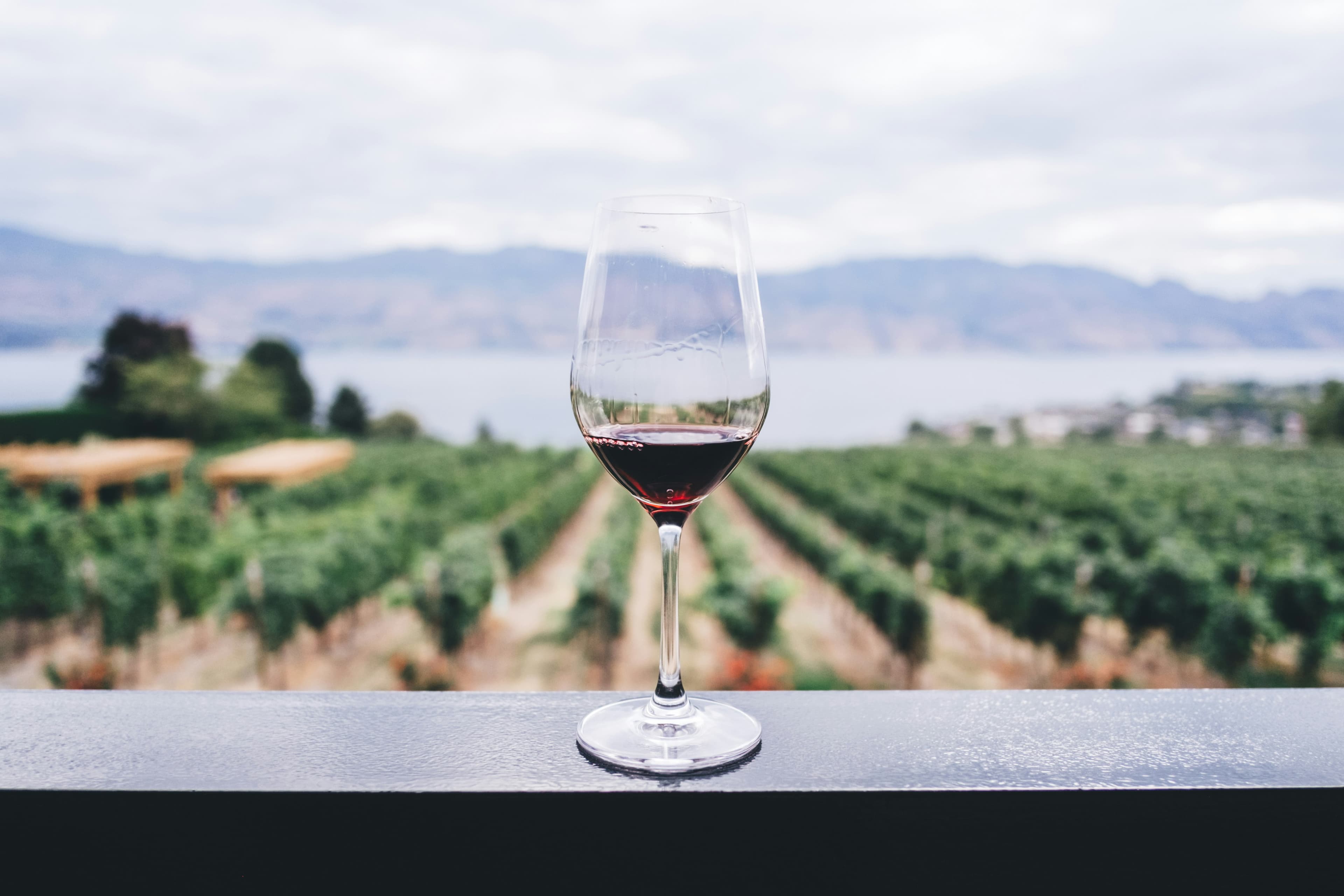
Napa Valley Wine Guide: Complete Visitor's Guide to California's Premier Wine Region
Napa Valley is America's most famous wine region, home to world-class Cabernet Sauvignon, luxury wineries, and stunning vineyard landscapes. Just an hour north of San Francisco, Napa attracts millions of wine lovers annually.
This comprehensive guide covers Napa's best sub-regions, signature wines, top wineries to visit, and everything you need to plan an unforgettable wine country trip.
Why Napa Valley is Special
World-class wine region:
- First American wine region to achieve international acclaim
- Home to premium Cabernet Sauvignon (Napa's signature grape)
- Over 400 wineries in a 30-mile valley
- Diverse microclimates create distinct sub-regions
- Pioneer of American winemaking since the 1800s
Historic moment:
- 1976 Judgment of Paris: Napa wines beat French wines in blind tasting, shocking the wine world and establishing Napa's reputation
Key statistics:
- 45,000 acres of vineyards
- 16 sub-AVAs (American Viticultural Areas)
- $50 billion annual economic impact
- 4+ million visitors per year
Napa Valley Climate and Terroir
Mediterranean climate:
- Warm, dry summers (75-90°F days)
- Cool nights (50-60°F) preserve acidity
- Minimal rainfall (mostly October-April)
- Morning fog from San Pablo Bay moderates temperature
How geography affects wine:
- Valley floor: Warmer, riper fruit (bold Cabernet)
- Hillsides: Cooler, slower ripening (elegant, structured wines)
- Southern Napa: Cooler, influenced by San Pablo Bay (Chardonnay, Pinot Noir)
- Northern Napa: Warmer, less maritime influence (powerful Cabernet)
Napa Valley's Signature Grapes
Red Grapes
1. Cabernet Sauvignon (40% of plantings)
- Napa's king: World-renowned for quality
- Flavor profile: Blackberry, cassis, cedar, tobacco, chocolate
- Style: Full-bodied, tannic, age-worthy (10-30+ years)
- Best regions: Rutherford, Oakville, Stags Leap, Howell Mountain
2. Merlot (12%)
- Softer alternative to Cabernet
- Flavor profile: Plum, cherry, chocolate, softer tannins
- Often blended with Cabernet in Bordeaux-style blends
3. Pinot Noir (6%)
- Cooler-climate grape
- Best in: Carneros, Oak Knoll
- Flavor profile: Cherry, raspberry, earth, silky texture
4. Zinfandel (5%)
- Old-vine Zinfandel in hillsides
- Flavor profile: Jammy, spicy, high alcohol, blackberry
5. Syrah, Petite Sirah, Malbec (smaller plantings)
White Grapes
1. Chardonnay (12%)
- Most-planted white grape
- Best in: Carneros, Oak Knoll
- Style: Oaked (butter, vanilla, toast) or unoaked (crisp, mineral)
2. Sauvignon Blanc (7%)
- Crisp, refreshing white
- Flavor profile: Grapefruit, lime, fresh-cut grass
- Best in: Oakville, Rutherford
3. Others: Viognier, Riesling, Gewürztraminer (small plantings)
Napa Valley Sub-Regions (AVAs)
Napa Valley has 16 distinct sub-regions, each with unique terroir and wine styles.
Southern Napa (Cooler Climate)
1. Carneros
Location: Southern tip, shared with Sonoma
Climate: Coolest region in Napa (San Pablo Bay influence, morning fog)
Signature wines:
- Chardonnay: Crisp, mineral, citrus
- Pinot Noir: Elegant, cherry, earthy
- Sparkling wine: Traditional method, high-quality
Notable wineries: Domaine Carneros, Artesa, Schramsberg (sparkling)
What makes it special: Cool climate ideal for Burgundian varieties
2. Oak Knoll District
Location: Just north of Carneros
Climate: Moderate, morning fog, warm afternoons
Signature wines:
- Merlot, Chardonnay, Pinot Noir
- Softer, elegant Cabernet
Notable wineries: Trefethen, Robert Biale (Zinfandel)
What makes it special: Balance between cool and warm climate
Mid-Valley (Cabernet Country)
3. Yountville
Location: Mid-valley, near town of Yountville
Climate: Moderate, some fog influence
Signature wines:
- Cabernet Sauvignon: Elegant, balanced, medium-bodied
- Merlot, Sauvignon Blanc
Notable wineries: Cliff Lede, Domaine Chandon (sparkling)
What makes it special: Charming town, Michelin-starred restaurants (The French Laundry)
4. Oakville
Location: Heart of Napa Valley
Climate: Warm days, cool nights
Signature wines:
- Cabernet Sauvignon: "Oakville dust" minerality, structured, elegant
- Bordeaux blends (Cabernet-dominant)
Notable wineries: Opus One, Silver Oak, Far Niente, Screaming Eagle (cult wine)
What makes it special: Produces some of the world's most expensive and sought-after Cabernet
Oakville AVA Cabernet characteristics: Dusty tannins, cassis, cedar, power and elegance
5. Rutherford
Location: Just north of Oakville
Climate: Warm, well-drained gravelly soils
Signature wines:
- Cabernet Sauvignon: "Rutherford dust" (dusty, earthy tannins), full-bodied, age-worthy
Notable wineries: Inglenook, Caymus, Rubicon Estate, Frog's Leap
What makes it special: Legendary "Rutherford dust" terroir expression
Rutherford AVA Cabernet characteristics: Earthy, dusty tannins, cocoa, black cherry, structured
6. St. Helena
Location: Mid-to-upper valley
Climate: Warm, less fog influence
Signature wines:
- Cabernet Sauvignon: Ripe, powerful, dark fruit, tannic
Notable wineries: Beringer, Charles Krug, Spottswoode, Corison
What makes it special: Historic town, oldest wineries in Napa, charming Main Street
Northern Napa (Powerful, Mountainous)
7. Calistoga
Location: Northern end of valley
Climate: Warmest region, hot days, volcanic soils
Signature wines:
- Cabernet Sauvignon: Bold, powerful, ripe, high alcohol
- Petite Sirah, Zinfandel
Notable wineries: Chateau Montelena (1976 Judgment of Paris winner), Castello di Amorosa (castle winery)
What makes it special: Hot springs, volcanic terroir, bold wines
Mountain AVAs (Hillside Vineyards)
8. Howell Mountain
Location: Eastern mountains, 1,400-2,200 ft elevation
Climate: Cooler than valley floor, above fog line
Signature wines:
- Cabernet Sauvignon: Structured, tannic, mountain-fruit intensity, age-worthy
Notable wineries: Dunn Vineyards, La Jota
What makes it special: Rugged, intense mountain Cabernet, long aging potential (20-30 years)
9. Mount Veeder
Location: Western mountains, 500-2,600 ft elevation
Climate: Cool, foggy mornings, volcanic soils
Signature wines:
- Cabernet Sauvignon: Structured, mineral, earthy, high acidity
Notable wineries: The Hess Collection, Mount Veeder Winery
What makes it special: Mountain fruit, volcanic terroir, stunning views
10. Spring Mountain District
Location: Western mountains above St. Helena
Climate: Cool, high elevation
Signature wines:
- Cabernet Sauvignon: Elegant, structured, floral notes
Notable wineries: Pride Mountain, Cain Vineyard & Winery
What makes it special: Cooler mountain sites, elegant wines
11. Diamond Mountain District
Location: Northwest of Calistoga
Climate: Volcanic soils, elevation
Signature wines:
- Cabernet Sauvignon: Powerful, structured, volcanic minerality
Notable wineries: Diamond Creek, Reverie, Schramsberg (sparkling)
What makes it special: Volcanic terroir, intense mountain fruit
12. Atlas Peak
Location: Eastern mountains
Climate: High elevation, cooler
Signature wines:
- Cabernet Sauvignon, Sangiovese (Italian varieties thrive here)
Notable wineries: Antinori (Antica Napa Valley)
What makes it special: Italian influence, cooler mountain sites
Napa Valley Wine Styles
Cabernet Sauvignon (Napa's Signature)
Flavor profile:
- Fruit: Blackberry, cassis, black cherry, plum
- Oak aging: Vanilla, cedar, tobacco, chocolate, coffee
- Tannins: Medium to high (age-worthy)
- Alcohol: 13.5-15.5% (ripe, warm climate)
Aging potential: 10-30+ years for top wines
Price range: $30-$500+ (cult Cabernets can exceed $1,000)
Food pairings: Ribeye steak, lamb chops, aged cheddar, beef stew
Bordeaux Blends (Meritage)
Blend: Cabernet Sauvignon, Merlot, Cabernet Franc, Petit Verdot, Malbec
Famous examples:
- Opus One (Oakville) – $300-400
- Dominus Estate (Yountville)
- Insignia by Joseph Phelps (Napa Valley)
Why blending: Adds complexity, softens tannins, balances structure
Top Napa Wineries to Visit
Luxury/Iconic Wineries
1. Opus One (Oakville)
- Famous for: Bordeaux-style blend, architectural masterpiece
- Tasting: $150-175 per person (reservation required)
- Why visit: Iconic collaboration between Robert Mondavi and Baron Philippe de Rothschild
2. Domaine Carneros (Carneros)
- Famous for: Sparkling wine, château-style winery
- Tasting: $40-70
- Why visit: Stunning views, elegant sparkling wines, French-inspired
3. Castello di Amorosa (Calistoga)
- Famous for: 121-room Tuscan castle
- Tasting: $45-75
- Why visit: Unique architecture, Italian-style wines
Historic Wineries
4. Beringer Vineyards (St. Helena)
- Founded: 1876 (oldest continuously operating winery)
- Famous for: Historic Rhine House, Cabernet Sauvignon
- Tasting: $35-75
5. Inglenook (Rutherford)
- Founded: 1879
- Famous for: Rubicon Cabernet, Francis Ford Coppola's restoration
- Tasting: $60-125
6. Chateau Montelena (Calistoga)
- Famous for: 1976 Judgment of Paris winner (Chardonnay)
- Tasting: $60-80
Cult/Collectible Wines (Hard to Visit)
7. Screaming Eagle (Oakville)
- Price: $3,000-5,000 per bottle
- Allocation-only: Mailing list is decades long
- Why famous: One of California's most expensive and sought-after wines
8. Harlan Estate
- Price: $800-1,500 per bottle
- Style: Bordeaux blend, powerful, age-worthy
- Visits: Extremely limited, by invitation only
Best Wineries for Beginners
9. Robert Mondavi Winery (Oakville)
- Tasting: $40-60
- Why visit: Educational tours, pioneer of Napa winemaking
10. V. Sattui (St. Helena)
- Tasting: $40-50
- Why visit: Picnic grounds, deli, family-friendly
How to Plan a Napa Valley Wine Tasting Trip
Best Time to Visit
Peak season (May-October):
- Pros: Warm weather, harvest season (September-October)
- Cons: Crowded, higher prices, reservations essential
Off-season (November-April):
- Pros: Fewer crowds, lower prices, easier reservations
- Cons: Rain possible (January-March), some wineries have limited hours
Best months: September-October (harvest, ideal weather), April-May (spring, fewer crowds)
How Many Wineries to Visit Per Day
Realistic plan:
- 3-4 tastings per day maximum
- Each tasting takes 60-90 minutes
- Factor in drive time between wineries
- More than 4 = palate fatigue, intoxication risk
Tasting Etiquette and Tips
Reservations:
- Required at most wineries (especially post-COVID)
- Book 2-4 weeks in advance for popular wineries
- Walk-ins rarely accepted
Tasting fees:
- Range: $30-175 per person
- Often waived with wine purchase ($50-100 minimum)
Dos:
- Arrive on time
- Pace yourself (spit if needed)
- Ask questions
- Tip tasting room staff ($10-20 per couple)
Don'ts:
- Wear perfume or cologne (interferes with wine aromas)
- Show up intoxicated
- Rush through tastings
- Expect free tastings (this isn't the 1990s)
Getting Around Napa Valley
Options:
1. Hire a driver/tour service
- Safest option
- Professional drivers know best routes
- Cost: $75-150 per person (shared tour) or $500-800 (private driver)
2. Wine tour bus
- Group tours visit 3-4 wineries
- Cost: $100-150 per person
- Pros: Affordable, social
- Cons: Less flexibility
3. Ride-share (Uber/Lyft)
- Available but expensive between wineries
- Can add up quickly
4. Designated driver
- One person stays sober (rotates each day)
Don't: Drink and drive. DUIs are common and heavily enforced
Where to Stay
Yountville:
- Central location
- Michelin-starred restaurants (The French Laundry, Bouchon)
- Luxury hotels (Bardessono, Hotel Yountville)
St. Helena:
- Charming Main Street
- Historic wineries nearby
- Hotels: Meadowood, Harvest Inn
Napa (city):
- Most affordable
- Oxbow Public Market
- Hotels: Andaz Napa, River Terrace Inn
Calistoga:
- Northern Napa
- Hot springs, spas
- More laid-back vibe
Where to Eat
Fine Dining:
- The French Laundry (Yountville) – 3 Michelin stars, $350+ tasting menu
- Bouchon (Yountville) – French bistro, Thomas Keller
- Auberge du Soleil (Rutherford) – stunning views, Michelin-starred
- Press (St. Helena) – steakhouse, wine list
Casual:
- Oxbow Public Market (Napa) – food hall, gourmet vendors
- Gott's Roadside (St. Helena) – burgers, outdoor seating
- Bouchon Bakery (Yountville) – pastries, sandwiches
Napa Wine Buying Tips
What to expect:
- Tasting room prices = retail
- Most wines $40-150 per bottle
- Cult wines $200-1,000+
Shipping:
- Wineries ship to most states
- Factor in shipping costs ($20-40 per case)
- Some states prohibit wine shipments
Join wine clubs?
- Pros: Discounts (10-25%), allocation access, free tastings
- Cons: Commitment (2-4 shipments per year), can add up
Napa Valley Budget
Sample 3-day trip (2 people):
- Hotel: $300-600/night x 2 nights = $600-1,200
- Wine tastings: $100-150/person/day x 3 days = $600-900
- Food: $150-250/day = $450-750
- Transportation: $200-500 (driver or tour)
- Wine purchases: $200-1,000+
- Total: $2,000-4,500+
Budget tips:
- Visit in off-season
- Stay in Napa (city) instead of Yountville
- Book group tours instead of private drivers
- Picnic lunches instead of restaurant dining
Frequently Asked Questions
Q: Can I visit Napa wineries without reservations? A: No, most wineries require advance reservations, especially after COVID-19. Book 2-4 weeks ahead.
Q: How far is Napa Valley from San Francisco? A: About 1 hour (60 miles) north of San Francisco via Highway 101 or I-80.
Q: What's the difference between Napa and Sonoma? A: Napa is smaller, more prestigious, focused on Cabernet, and more expensive. Sonoma is larger, more diverse (Pinot Noir, Chardonnay, Zinfandel), and more laid-back.
Q: Can I buy Screaming Eagle or Harlan at wineries? A: No, these cult wines are allocation-only. You must be on the mailing list (waitlist is years or decades long) or buy at auction.
Q: Is Napa worth the money? A: Yes, if you appreciate world-class Cabernet Sauvignon and wine experiences. If you're on a budget, consider Sonoma or Central Coast instead.
Q: What should I wear to Napa wineries? A: Smart casual (no shorts at upscale wineries). Comfortable shoes, sunglasses, layers (mornings are cool, afternoons hot).
The Bottom Line
Napa Valley is America's premier wine region, world-renowned for Cabernet Sauvignon and luxury wine experiences. Plan ahead, book reservations, hire a driver, and prepare to spend more than other California wine regions—but the quality and experience are worth it.
Start with 3-4 wineries per day, explore different sub-regions (Oakville, Rutherford, Carneros), and savor the world-class wines and cuisine!