Understanding Wine Tannins: Complete Guide to What They Are and Why They Matter
Learn what tannins are in wine, how they affect taste, which wines are high in tannins, and how to pair tannic wines with food.
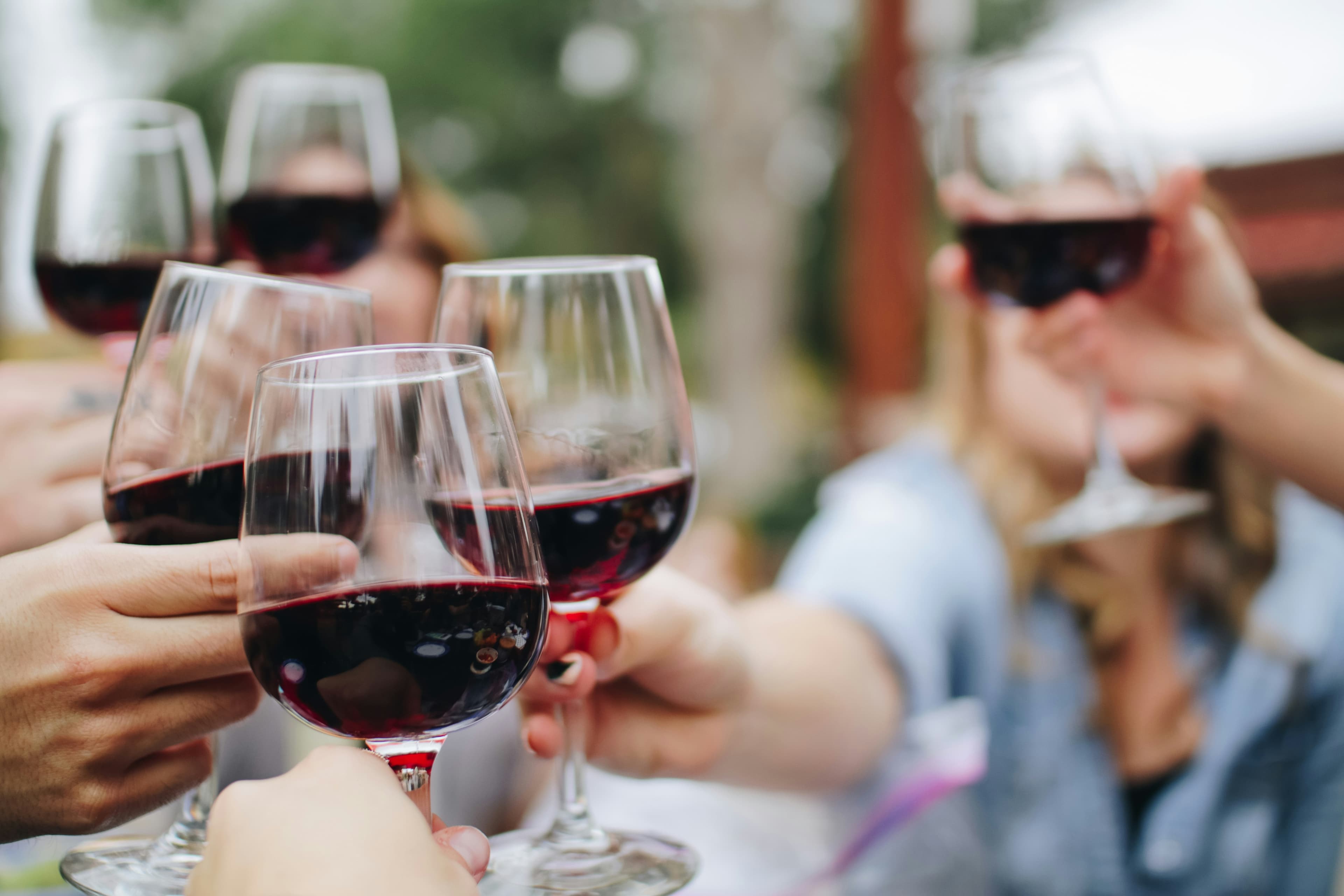
Understanding Wine Tannins: What They Are and Why They Matter
Tannins are one of the most important elements in red wine, yet they're often misunderstood. They create that dry, puckering sensation in your mouth, add structure to wine, and determine how well a wine ages.
This complete guide explains what tannins are, how they affect wine, which wines are high in tannins, and how to pair tannic wines with food.
What Are Tannins?
Scientific definition: Tannins are polyphenolic compounds found in grape skins, seeds, and stems, as well as oak barrels.
Simple explanation: Natural compounds that create a dry, astringent sensation in your mouth (similar to over-steeped black tea or biting into a grape skin).
Where tannins come from:
- Grape skins: Primary source (especially in red wine)
- Grape seeds: Contribute bitter tannins if crushed
- Grape stems: Sometimes included for structure
- Oak barrels: Add smooth, vanilla-like tannins
How Tannins Feel in Your Mouth
The tannic sensation:
- Dryness: Makes your mouth feel dry, like cotton
- Astringency: Puckering, rough texture on gums and tongue
- Bitterness: Can taste slightly bitter (different from sour)
- Grippy texture: Clings to your palate
What causes this feeling: Tannins bind with proteins in your saliva, reducing lubrication and creating that dry sensation.
Examples to compare:
- High tannin: Over-brewed black tea, walnuts with skin, unripe persimmon
- Low tannin: Herbal tea, apple juice, most white wines
Why Are Tannins Important in Wine?
1. Structure and Body
Tannins give red wine structure, weight, and texture (the "body" of wine).
High tannins = fuller body Low tannins = lighter body
2. Aging Potential
Tannins act as a natural preservative, allowing wines to age for decades.
High-tannin wines (Barolo, Cabernet Sauvignon, Nebbiolo) can age 10-30+ years Low-tannin wines (Pinot Noir, Gamay) are usually meant for earlier drinking (3-10 years)
3. Food Pairing Power
Tannins bind with proteins and fats in food, making wine taste smoother and enhancing the meal.
Why steak and Cabernet work so well: Fat and protein in steak soften tannins, creating harmony.
4. Complexity
Tannins add bitterness and astringency that balance wine's sweetness, acidity, and fruit flavors.
Well-integrated tannins add complexity without overpowering Harsh tannins taste bitter, green, or aggressive
Red Wine vs. White Wine: Why the Difference?
Red wines have tannins, white wines generally don't. Why?
Red wine production:
- Grapes are crushed with skins, seeds, and sometimes stems
- Juice ferments in contact with skins for days to weeks
- Tannins are extracted from skins into the wine
- Result: Red wine with tannins, color, and structure
White wine production:
- Grapes are pressed immediately
- Skins are removed before fermentation
- Only juice is fermented
- Result: White wine with minimal tannins, light color
Exceptions:
- Orange wines: White grapes fermented with skins = tannic white wine
- Rosé: Brief skin contact = light tannins
- Oak-aged whites: Gain tannins from barrels (Chardonnay)
High-Tannin vs. Low-Tannin Wines
High-Tannin Red Wines
Grape varieties:
- Cabernet Sauvignon: Very high tannins, thick skins
- Nebbiolo: Extremely high tannins (Barolo, Barbaresco)
- Tannat: Named for its tannins, Uruguayan specialty
- Syrah/Shiraz: High tannins, especially from warm climates
- Malbec: Moderately high tannins
- Mourvèdre/Monastrell: High tannins, structured
- Sangiovese: Medium-high tannins (Chianti, Brunello)
- Tempranillo: Medium-high tannins (Rioja)
- Petit Verdot: Very high tannins (usually in blends)
Characteristics:
- Full-bodied, structured
- Age-worthy (10-30+ years)
- Pair well with fatty, protein-rich foods
- Need time to soften (aging or decanting)
Medium-Tannin Red Wines
Grape varieties:
- Merlot: Soft, approachable tannins
- Zinfandel/Primitivo: Moderate tannins, ripe fruit
- Grenache: Smooth, supple tannins
- Barbera: Low-medium tannins, high acid
- Carménère: Medium tannins, soft texture
Characteristics:
- Medium-bodied, versatile
- Age moderately (5-15 years)
- Food-friendly, everyday drinking
- Balanced structure
Low-Tannin Red Wines
Grape varieties:
- Pinot Noir: Low tannins, silky texture
- Gamay: Very low tannins (Beaujolais)
- Dolcetto: Soft tannins, fruity
- Frappato: Light, low tannins (Sicily)
- Zweigelt: Austrian red, soft tannins
Characteristics:
- Light to medium body
- Drink young (3-10 years for most)
- Versatile food pairing (including fish)
- Smooth, easy-drinking
How Winemaking Affects Tannin Levels
Factors That Increase Tannins:
1. Extended skin contact
- Longer maceration = more tannin extraction
- Some red wines macerate for 4-6 weeks
2. Whole-cluster fermentation
- Including stems adds structural, sometimes bitter tannins
- Common in Burgundy, natural wines
3. Pressing intensity
- Harder pressing extracts more tannins from skins and seeds
- Gentle pressing = softer tannins
4. Oak aging
- New oak barrels add tannins
- French oak = subtle tannins
- American oak = stronger tannins
5. Grape ripeness
- Riper grapes = softer, sweeter tannins
- Underripe grapes = green, harsh tannins
Factors That Reduce or Soften Tannins:
1. Aging
- Tannins polymerize (link together) and precipitate out
- Young wine = harsh tannins
- Aged wine = soft, integrated tannins
2. Micro-oxygenation
- Controlled oxygen exposure softens tannins during aging
3. Fining and filtration
- Removes some tannins (and color, flavor)
- Creates smoother, lighter wines
4. Carbonic maceration
- Whole-berry fermentation reduces tannin extraction
- Used in Beaujolais (low-tannin Gamay)
Tannin and Food Pairing Rules
Rule #1: Protein and Fat Soften Tannins
High-tannin wines pair with:
- Steak, lamb, beef
- Aged cheese (cheddar, Parmesan, Pecorino)
- Rich, fatty dishes (braised short ribs, duck)
Why it works: Proteins and fats bind with tannins, making wine taste smoother and less astringent.
Example: Young Barolo tastes harsh alone but magical with braised beef.
Rule #2: Avoid Tannins with Delicate Fish
Don't pair high-tannin reds with:
- Delicate white fish
- Shellfish
- Light salads
Why: Tannins clash with fish oils, creating metallic, bitter flavors. No protein to soften tannins.
Exception: Grilled salmon or tuna with low-tannin reds (Pinot Noir) can work.
Rule #3: Match Tannin Level to Dish Richness
Light dishes → low tannins
- Chicken, pork, mushroom pasta
- Pair with: Pinot Noir, Dolcetto, Beaujolais
Rich dishes → high tannins
- Ribeye steak, lamb chops, beef stew
- Pair with: Cabernet Sauvignon, Barolo, Syrah
Rule #4: Salty Foods Enhance Tannins
Salty foods make tannins more noticeable (sometimes unpleasantly so).
Be cautious pairing high-tannin wines with:
- Cured meats (prosciutto, salami)
- Salty cheese
- Heavily salted dishes
Better choice: Medium-tannin or high-acid wines (Chianti, Barbera)
How to Soften Harsh Tannins
If you open a tannic wine that tastes too harsh:
1. Decant the Wine
Pour wine into a decanter and let it breathe for 1-2 hours. Oxygen softens tannins.
Best for: Young Barolo, Cabernet Sauvignon, Bordeaux, Nebbiolo
2. Pair with Fatty Food
Tannins will taste much softer with steak, cheese, or rich dishes.
3. Age the Wine
If too tannic, cellar it for 5-10 more years. Tannins will soften and integrate.
4. Serve at Proper Temperature
Too cold = harsh tannins Ideal: 60-65°F (15-18°C) for full-bodied reds
5. Swirl and Aerate
Swirling in the glass introduces oxygen, softening tannins slightly.
How to Identify Tannins When Tasting Wine
Step-by-step tasting:
- Swirl and smell: Tannins have no aroma, but can suggest structure
- Sip and hold: Let wine coat your mouth
- Notice texture: Do you feel dryness, grippiness, or puckering on your gums?
- Evaluate:
- Low tannins: Smooth, silky, minimal drying
- Medium tannins: Some dryness, balanced
- High tannins: Pronounced drying, gripping, astringent
Where you feel tannins:
- Front of tongue
- Gums
- Inside of cheeks
- Roof of mouth
Tannin Myths Debunked
Myth #1: Tannins cause headaches Truth: Sulfites, histamines, or alcohol are more likely culprits. Tannins are not proven to cause headaches.
Myth #2: All red wines are tannic Truth: Pinot Noir, Gamay, and Dolcetto have very low tannins.
Myth #3: Tannins are bad Truth: Tannins add structure, complexity, and aging potential. Well-integrated tannins are essential to great red wine.
Myth #4: White wines never have tannins Truth: Oak-aged whites (Chardonnay) and orange wines have noticeable tannins.
Myth #5: More tannins = better wine Truth: Balance matters. Harsh, unbalanced tannins are a flaw. Smooth, integrated tannins are a virtue.
Frequently Asked Questions
Q: What's the most tannic wine? A: Nebbiolo (Barolo, Barbaresco) and Tannat are among the most tannic. Young, unaged versions can be almost undrinkable without food or aging.
Q: Do tannins go away over time? A: Yes, tannins soften and integrate with aging. They polymerize and precipitate as sediment. This is why aged wines taste smoother.
Q: Can you taste tannins? A: You feel tannins (texture, astringency) rather than taste them. They have minimal flavor but significant textural impact.
Q: Why does Pinot Noir have low tannins? A: Pinot Noir has thin skins and is usually fermented without stems, resulting in minimal tannin extraction.
Q: Are tannins healthy? A: Tannins are antioxidants (polyphenols) with potential health benefits, including heart health and anti-inflammatory effects. However, moderation is key.
Q: What's the difference between tannins and acidity? A: Tannins create dryness and texture. Acidity creates tartness and brightness. Both add structure but in different ways.
The Bottom Line
Tannins are a key component of red wine, providing structure, aging potential, and food-pairing power. Understanding tannins helps you choose wines you'll enjoy, pair them with food correctly, and appreciate why some wines need aging.
High-tannin wines need fatty, protein-rich foods. Low-tannin wines are versatile and easy-drinking.
Start tasting wines with different tannin levels (Pinot Noir vs. Cabernet Sauvignon) to train your palate!