Wine and Pasta Pairing Guide: 20 Perfect Combinations
Master wine and pasta pairings with this complete guide. Learn which wines match tomato sauce, cream sauce, pesto, seafood pasta, and more.
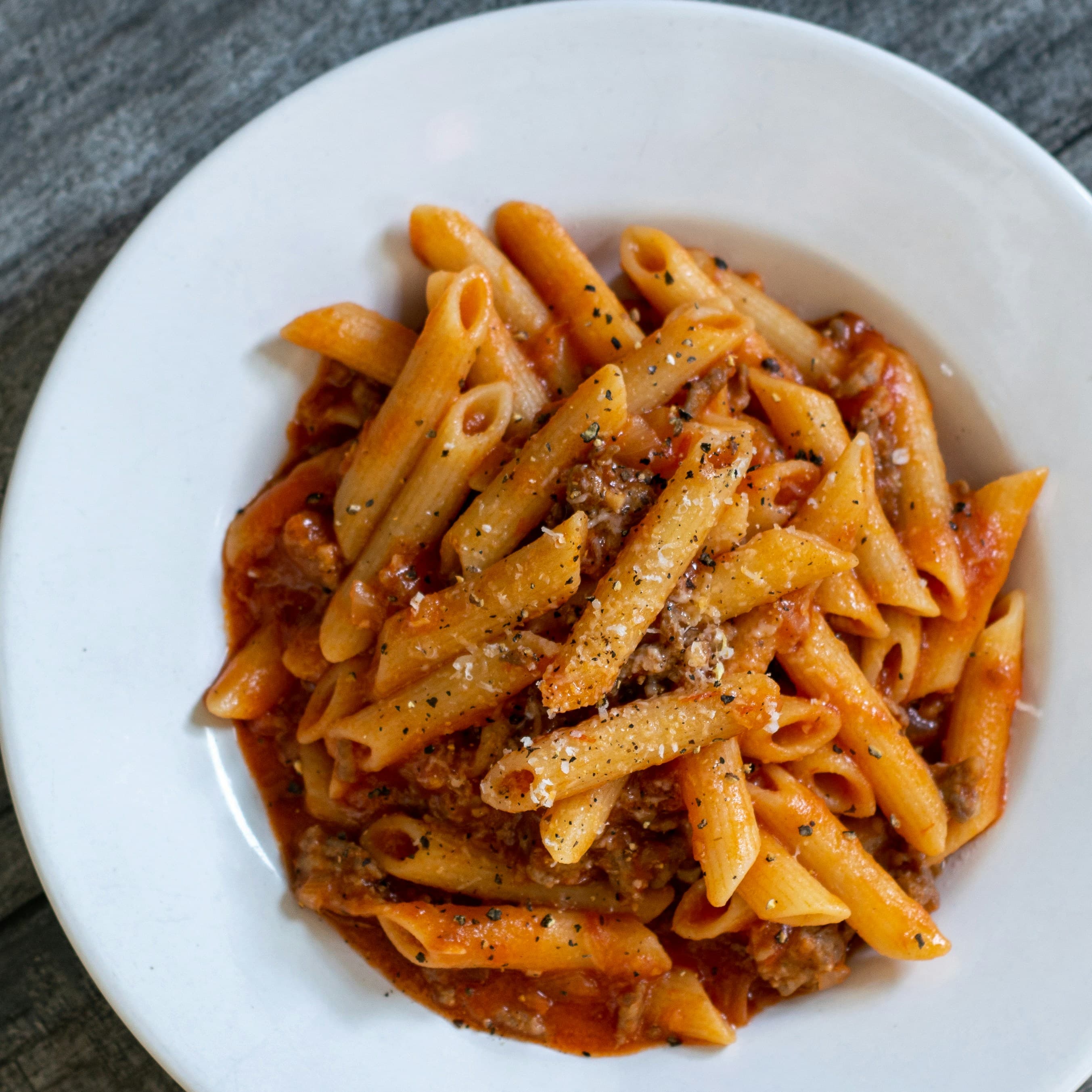
Wine and Pasta Pairing Guide: 20 Perfect Combinations
Pasta and wine are both Italian classics, but pairing them correctly makes all the difference. The right wine enhances pasta flavors, while the wrong choice can clash with sauces and overpower delicate ingredients.
This comprehensive guide teaches you the principles of wine and pasta pairing and provides 20 perfect combinations for every type of pasta dish.
The 5 Rules of Wine and Pasta Pairing
Rule #1: Match the Sauce, Not the Pasta
The sauce determines the wine pairing, not the pasta shape.
Why: Spaghetti with marinara vs. spaghetti carbonara require completely different wines, even though the pasta is identical.
Examples:
- Tomato-based → High-acid red (Chianti, Sangiovese)
- Cream-based → Full-bodied white or light red (Chardonnay, Pinot Noir)
- Oil-based → Crisp white (Pinot Grigio, Vermentino)
- Meat sauce → Medium to full-bodied red (Montepulciano, Cabernet)
Rule #2: Acid Cuts Through Richness
High-acid wines balance heavy, rich, or fatty pasta dishes.
Why: Acidity refreshes your palate and prevents dishes from feeling heavy.
Examples:
- Carbonara (cream, egg, pork) + Vermentino (crisp, acidic white)
- Alfredo (butter, cream, cheese) + Chardonnay (buttery but with acidity)
Key acid-rich wines: Chianti, Barbera, Sangiovese (reds); Vermentino, Pinot Grigio, Sauvignon Blanc (whites)
Rule #3: Regional Pairing Never Fails
Pair Italian wines with Italian pasta dishes from the same region.
Why: Foods and wines from the same region evolved together over centuries.
Classic pairings:
- Bolognese (Emilia-Romagna) + Sangiovese di Romagna
- Carbonara (Rome/Lazio) + Frascati (white from Lazio)
- Pesto (Liguria) + Vermentino (white from Liguria)
- Amatriciana (Rome) + Cesanese (red from Lazio)
Rule #4: Light Sauce = Light Wine, Heavy Sauce = Bold Wine
Match wine intensity to sauce richness.
Light sauces:
- Aglio e olio, primavera, seafood pasta
- Pair with: Light whites (Pinot Grigio, Soave)
Medium sauces:
- Marinara, puttanesca, arrabbiata
- Pair with: Medium-bodied reds (Chianti, Barbera)
Heavy sauces:
- Bolognese, ragu, sausage pasta
- Pair with: Full-bodied reds (Brunello, Barolo, Amarone)
Rule #5: White Wines for Seafood, Reds for Meat
Simple but effective rule of thumb.
Seafood pasta:
- Clam linguine, shrimp scampi, lobster pasta
- Pair with: Crisp whites (Vermentino, Pinot Grigio, Sauvignon Blanc)
Meat pasta:
- Bolognese, carbonara (pork), sausage pasta
- Pair with: Medium to full reds (Chianti, Montepulciano, Nero d'Avola)
Exceptions: Some light reds (Pinot Noir, Valpolicella) work with pork-based pasta like carbonara
20 Perfect Wine and Pasta Pairings
Tomato-Based Pasta Sauces
1. Spaghetti Marinara + Chianti
Pasta: Spaghetti with simple tomato, garlic, basil sauce
Wine: Chianti (Sangiovese-based, Tuscany)
Why it works:
- High acidity in Chianti matches tomato acidity
- Medium body doesn't overpower simple sauce
- Herbal notes complement basil
- Classic Tuscan pairing
Flavor profile: Bright, fresh, classic Italian
Alternative wines: Barbera, Valpolicella, Sangiovese
2. Penne Arrabbiata + Primitivo
Pasta: Penne with spicy tomato sauce, garlic, red chili flakes
Wine: Primitivo (Puglia, Southern Italy)
Why it works:
- Ripe, fruity wine balances spicy heat
- Bold enough to stand up to garlic and chili
- Jammy fruit cools the palate
- Southern Italian pairing
Flavor profile: Spicy, bold, fruit-forward
Alternative wines: Zinfandel (genetically identical to Primitivo), Nero d'Avola
3. Spaghetti Puttanesca + Nero d'Avola
Pasta: Spaghetti with tomatoes, olives, capers, anchovies, garlic
Wine: Nero d'Avola (Sicily)
Why it works:
- Briny olives and capers need a bold, fruity wine
- Sicilian wine for Sicilian-inspired dish
- Dark fruit balances salty, savory flavors
- Medium-high acidity cuts through richness
Flavor profile: Savory, briny, bold
Alternative wines: Montepulciano d'Abruzzo, Syrah
Cream-Based Pasta Sauces
4. Fettuccine Alfredo + Chardonnay
Pasta: Fettuccine with butter, cream, Parmesan sauce
Wine: Oaked Chardonnay (California, Burgundy, Australia)
Why it works:
- Buttery wine matches buttery sauce
- Full body stands up to rich cream
- Acidity cuts through fat
- Oak complements Parmesan
Flavor profile: Creamy, luxurious, indulgent
Alternative wines: Viognier, White Burgundy
5. Spaghetti Carbonara + Vermentino
Pasta: Spaghetti with eggs, Pecorino Romano, guanciale (pork jowl), black pepper
Wine: Vermentino (Sardinia, Liguria)
Why it works:
- High acidity cuts through rich egg and pork fat
- Crisp, refreshing balance to creamy sauce
- Italian white for Roman classic
- Mineral notes complement Pecorino
Flavor profile: Rich, creamy, refreshing
Alternative wines: Frascati (traditional Roman pairing), Pinot Noir (light red option)
6. Penne alla Vodka + Pinot Noir
Pasta: Penne with tomato-cream sauce, vodka, red pepper flakes
Wine: Pinot Noir (Burgundy, Oregon, California)
Why it works:
- Light red works with both tomato and cream
- Acidity balances richness
- Delicate enough not to overpower sauce
- Versatile wine for this hybrid sauce
Flavor profile: Creamy, slightly spicy, elegant
Alternative wines: Barbera, Valpolicella, Rosé
Oil-Based Pasta Sauces
7. Spaghetti Aglio e Olio + Pinot Grigio
Pasta: Spaghetti with garlic, olive oil, red pepper flakes, parsley
Wine: Pinot Grigio (Trentino-Alto Adige, Friuli)
Why it works:
- Light sauce needs light wine
- Crisp, clean palate cleanser
- Doesn't compete with simple garlic and oil
- High acidity refreshes
Flavor profile: Simple, clean, fresh
Alternative wines: Soave, Verdicchio, Albariño
8. Linguine with Clams + Vermentino
Pasta: Linguine with clams, white wine, garlic, parsley, olive oil
Wine: Vermentino (Sardinia, Liguria, Tuscany)
Why it works:
- Coastal wine for coastal dish
- Mineral, saline notes match briny clams
- Light enough for delicate seafood
- High acidity cuts through olive oil
Flavor profile: Briny, fresh, coastal
Alternative wines: Albariño, Muscadet, Pinot Grigio
9. Shrimp Scampi Pasta + Sauvignon Blanc
Pasta: Linguine with shrimp, garlic, lemon, butter, white wine
Wine: Sauvignon Blanc (New Zealand, Loire Valley)
Why it works:
- Bright acidity matches lemon
- Herbal notes complement garlic and parsley
- Crisp, refreshing with butter
- Classic seafood pairing
Flavor profile: Bright, lemony, garlicky
Alternative wines: Vermentino, Pinot Grigio, Grüner Veltliner
Pesto and Herb-Based Sauces
10. Trofie al Pesto + Vermentino
Pasta: Trofie (short, twisted pasta) with basil pesto, pine nuts, Parmesan, garlic
Wine: Vermentino (Liguria)
Why it works:
- Classic Ligurian pairing (both pesto and Vermentino originate here)
- Herbal wine matches herbal pesto
- Crisp acidity balances rich pine nuts and cheese
- Coastal, fresh flavors
Flavor profile: Herbal, fresh, aromatic
Alternative wines: Gavi, Soave, Sauvignon Blanc
Meat-Based Pasta Sauces
11. Spaghetti Bolognese + Sangiovese
Pasta: Spaghetti with slow-cooked meat sauce (beef, pork, tomato, red wine)
Wine: Sangiovese (Chianti, Brunello, Vino Nobile)
Why it works:
- Regional pairing (Bolognese from Emilia-Romagna, Sangiovese nearby Tuscany)
- Medium-full body matches rich meat sauce
- Acidity cuts through fat
- Earthy wine complements savory meat
Flavor profile: Rich, meaty, savory
Alternative wines: Barbera, Montepulciano d'Abruzzo, Cabernet Sauvignon
12. Pappardelle with Wild Boar Ragu + Brunello di Montalcino
Pasta: Wide pappardelle with slow-cooked wild boar, tomato, red wine, herbs
Wine: Brunello di Montalcino (100% Sangiovese, Tuscany)
Why it works:
- Powerful, age-worthy wine matches gamey wild boar
- Tuscan classic pairing
- Full body and tannins stand up to rich, slow-cooked meat
- Earthy, complex wine for complex dish
Flavor profile: Rustic, gamey, powerful
Alternative wines: Barolo, Amarone, Côtes du Rhône
13. Rigatoni Amatriciana + Montepulciano d'Abruzzo
Pasta: Rigatoni with tomato, guanciale (pork jowl), Pecorino Romano, black pepper
Wine: Montepulciano d'Abruzzo (Abruzzo)
Why it works:
- Medium-bodied red for pork and tomato
- High acidity balances rich guanciale
- Affordable, food-friendly wine
- Italian classic
Flavor profile: Savory, porky, tomato-forward
Alternative wines: Chianti, Barbera, Valpolicella
14. Lasagna Bolognese + Chianti Classico Riserva
Pasta: Layered lasagna with Bolognese, béchamel, Parmesan
Wine: Chianti Classico Riserva (aged Sangiovese, Tuscany)
Why it works:
- Full-bodied wine for rich, layered dish
- Tannins cut through cheese and meat
- Acidity balances cream and tomato
- Riserva aging adds complexity for special occasions
Flavor profile: Hearty, rich, comforting
Alternative wines: Brunello, Amarone, Barolo
Cheese-Based Pasta Dishes
15. Cacio e Pepe + Frascati
Pasta: Spaghetti or tonnarelli with Pecorino Romano, black pepper, pasta water
Wine: Frascati (white wine from Lazio, near Rome)
Why it works:
- Traditional Roman pairing (Cacio e Pepe is Roman)
- Crisp white cuts through rich cheese
- Simple wine for simple dish
- Acidity cleanses palate between bites
Flavor profile: Cheesy, peppery, simple
Alternative wines: Verdicchio, Gavi, Pinot Grigio
16. Four Cheese Ravioli + Pinot Bianco
Pasta: Ravioli stuffed with ricotta, Parmesan, fontina, mozzarella
Wine: Pinot Bianco (Pinot Blanc, Northern Italy)
Why it works:
- Light white doesn't overpower delicate cheese filling
- Acidity balances richness
- Clean, crisp palate refresher
- Versatile pairing
Flavor profile: Creamy, delicate, cheesy
Alternative wines: Soave, Lugana, Arneis
Vegetable-Based Pasta
17. Pasta Primavera + Soave
Pasta: Penne or farfalle with spring vegetables (asparagus, peas, tomatoes), garlic, olive oil
Wine: Soave (Garganega-based white, Veneto)
Why it works:
- Light wine for light vegetable dish
- Crisp, clean, doesn't overpower veggies
- Mineral notes complement fresh produce
- Refreshing, spring-like pairing
Flavor profile: Fresh, light, seasonal
Alternative wines: Pinot Grigio, Verdicchio, Gavi
18. Eggplant Parmigiana Pasta + Barbera
Pasta: Rigatoni or penne with breaded eggplant, tomato sauce, mozzarella, Parmesan
Wine: Barbera (Piedmont)
Why it works:
- High acidity cuts through fried eggplant and cheese
- Medium body matches hearty dish
- Fruity wine balances savory eggplant
- Italian wine for Italian comfort food
Flavor profile: Hearty, comforting, savory
Alternative wines: Chianti, Valpolicella, Dolcetto
Baked Pasta
19. Baked Ziti + Nero d'Avola
Pasta: Baked ziti with ricotta, mozzarella, Parmesan, tomato sauce
Wine: Nero d'Avola (Sicily)
Why it works:
- Bold wine for baked, cheesy dish
- Dark fruit complements rich tomato and cheese
- Acidity cuts through melted cheese
- Affordable, crowd-pleasing pairing
Flavor profile: Cheesy, baked, hearty
Alternative wines: Montepulciano d'Abruzzo, Primitivo, Chianti
Unique and Regional Pasta
20. Lobster Ravioli + Chardonnay
Pasta: Ravioli filled with lobster, light cream or butter sauce
Wine: Oaked Chardonnay (California, Burgundy)
Why it works:
- Luxurious wine for luxurious dish
- Full body matches rich lobster and cream
- Buttery notes complement butter sauce
- Special occasion pairing
Flavor profile: Decadent, luxurious, elegant
Alternative wines: White Burgundy, Viognier, Champagne
Quick Reference: Wine Pairings by Sauce Type
| Sauce Type | Best Wine Pairing | Why | |----------------|----------------------|---------| | Tomato-based | Chianti, Barbera, Sangiovese | High acidity matches tomato | | Cream-based | Chardonnay, Pinot Noir | Richness balances cream | | Oil-based | Pinot Grigio, Vermentino, Soave | Light, crisp, refreshing | | Meat sauce | Chianti, Montepulciano, Brunello | Bold red for hearty meat | | Seafood | Vermentino, Pinot Grigio, Sauvignon Blanc | Crisp white for delicate seafood | | Pesto | Vermentino, Gavi, Sauvignon Blanc | Herbal wine for herbal sauce | | Cheese-based | Pinot Bianco, Frascati, Verdicchio | Acidity cuts through cheese |
Common Wine and Pasta Pairing Mistakes
❌ Pairing heavy red with light seafood pasta – Overpowers delicate flavors
❌ Using oaky, bold Chardonnay with simple tomato pasta – Clashes with acidity
❌ Pairing low-acid wine with cream sauce – Feels heavy and cloying
❌ Choosing tannic wine (like young Barolo) with light vegetable pasta – Tannins overwhelm dish
❌ Serving wine too cold or too warm – Affects flavor balance
Frequently Asked Questions
Q: Can I pair red wine with seafood pasta? A: Generally no, but light reds like Pinot Noir or Valpolicella can work with richer seafood pasta (like lobster ravioli with cream sauce). Stick to white wine for most seafood pasta.
Q: What wine goes with mac and cheese? A: Chardonnay (buttery notes match cheese) or Riesling (acidity cuts richness). For baked mac and cheese with breadcrumbs, try Barbera or Pinot Noir.
Q: Should I use the same wine in the pasta sauce that I drink? A: Not necessarily, but it creates harmony. Use affordable wine for cooking (never "cooking wine"), save better bottles for drinking.
Q: What wine pairs with pesto pasta? A: Vermentino (classic Ligurian pairing), Gavi, or Sauvignon Blanc. All have herbal notes that complement basil pesto.
Q: What's the best wine for spaghetti and meatballs? A: Chianti, Montepulciano d'Abruzzo, or Barbera. Medium to full-bodied reds with high acidity balance tomato sauce and rich meatballs.
Q: Can I pair white wine with Bolognese? A: No, Bolognese is too rich and meaty for white wine. Stick to medium to full-bodied reds like Sangiovese, Barbera, or Montepulciano.
The Bottom Line
Wine and pasta pairing is simple once you understand the basic principles: Match the sauce (not the pasta), use acid to cut richness, follow regional pairings, and match intensity levels.
Start with these 20 pairings, then experiment to discover your own favorites!