Wine Body Explained: Light, Medium, Full-Bodied Wines Guide
Learn what wine body means, how to identify light vs full-bodied wines, and which body types pair best with different foods.
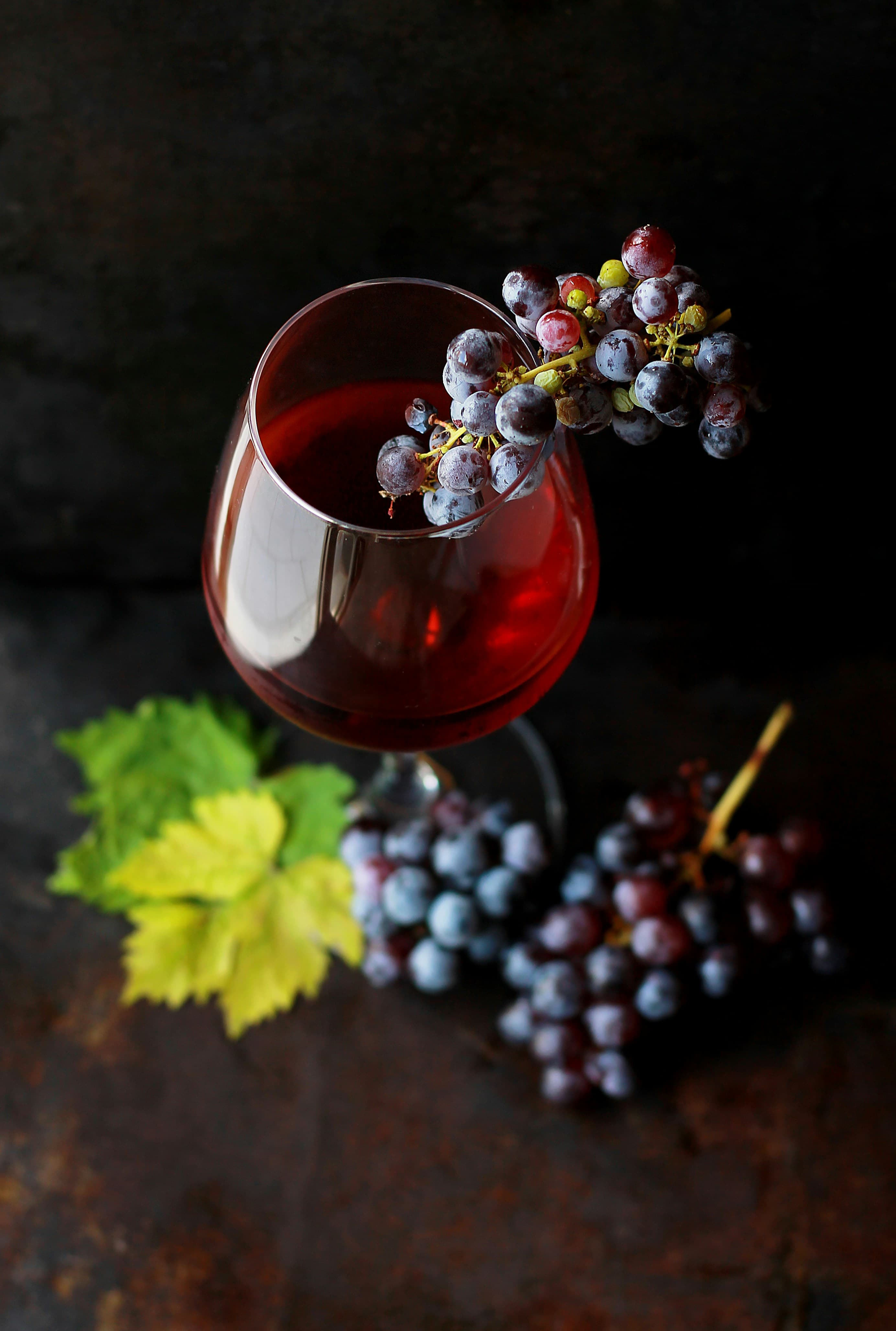
Wine Body Explained: Understanding Light, Medium, and Full-Bodied Wines
Wine "body" describes how a wine feels in your mouth—its weight, texture, and richness. Understanding body helps you choose wines you'll enjoy and pair them correctly with food.
This guide explains what wine body means, how to identify it, and provides examples of light, medium, and full-bodied wines.
What is Wine Body?
Simple definition: Body is the perceived weight and fullness of wine on your palate.
How to think about it:
- Light-bodied = skim milk: Delicate, refreshing, crisp
- Medium-bodied = whole milk: Balanced, moderate weight
- Full-bodied = heavy cream: Rich, viscous, coating
What you're actually feeling:
- Alcohol content
- Tannins (in red wine)
- Residual sugar
- Glycerol (gives viscosity)
- Extract (concentrated flavors)
What Determines Wine Body?
1. Alcohol Content (Most Important Factor)
Higher alcohol = fuller body
Why: Alcohol adds viscosity, warmth, and weight
Alcohol ranges:
- Light-bodied: 10-12% ABV
- Medium-bodied: 12.5-13.5% ABV
- Full-bodied: 14-15.5% ABV
Example:
- German Riesling (8-10% ABV) = light body
- Napa Cabernet (14-15% ABV) = full body
2. Tannins (Red Wines)
Higher tannins = fuller body
Why: Tannins add texture, grip, and structure
Tannin levels:
- Low: Pinot Noir, Gamay
- Medium: Merlot, Chianti
- High: Cabernet Sauvignon, Nebbiolo, Tannat
3. Residual Sugar
Higher sugar = fuller body
Why: Sugar adds viscosity and richness
Examples:
- Dry Sauvignon Blanc (low sugar) = light body
- Sauternes (high sugar) = full body
4. Oak Aging
Oak aging adds body
Why: Oak contributes tannins, flavor compounds, and texture
Examples:
- Unoaked Chardonnay (Chablis) = light-medium body
- Oaked Chardonnay (California) = medium-full body
5. Climate
Warmer climate = fuller body
Why: Warmer climates produce riper grapes with higher sugar (converted to alcohol)
Examples:
- Cool climate Pinot Noir (Burgundy) = light-medium body
- Warm climate Pinot Noir (California) = medium-full body
How to Identify Wine Body When Tasting
Step-by-step:
1. Look:
- Light wines are often pale (light yellow, pale ruby)
- Full wines are often dark (golden yellow, deep purple)
2. Swirl:
- Watch "legs" or "tears" on glass
- Slow, thick legs = fuller body (more alcohol/sugar)
- Fast, thin legs = lighter body
3. Smell:
- Light wines: Delicate aromas (citrus, flowers)
- Full wines: Intense aromas (ripe fruit, oak, spice)
4. Taste:
- Light body: Feels like water, crisp, refreshing
- Medium body: Moderate weight, balanced
- Full body: Coating, viscous, rich, warming
5. Notice alcohol warmth:
- Warming sensation in throat = higher alcohol = fuller body
Light-Bodied Wines
Characteristics:
- Low alcohol (10-12%)
- Crisp, refreshing
- Delicate flavors
- Little to no oak
- Bright acidity
Light-Bodied White Wines
1. Pinot Grigio (Italy)
- Alcohol: 11-12%
- Flavor: Lemon, pear, subtle
- Pairs with: Light salads, seafood, appetizers
2. Albariño (Spain)
- Alcohol: 11-12%
- Flavor: Peach, citrus, saline
- Pairs with: Oysters, grilled fish, ceviche
3. Vinho Verde (Portugal)
- Alcohol: 9-11%
- Flavor: Lemon, lime, slight effervescence
- Pairs with: Salads, light seafood
4. Muscadet (France)
- Alcohol: 11-12%
- Flavor: Mineral, citrus, oyster shell
- Pairs with: Oysters, sushi, light fish
5. Dry Riesling (Germany, Alsace)
- Alcohol: 10-12%
- Flavor: Green apple, lime, petrol (aged)
- Pairs with: Asian cuisine, pork, spicy food
Light-Bodied Red Wines
1. Pinot Noir (Burgundy, Oregon)
- Alcohol: 12-13%
- Flavor: Cherry, raspberry, earth
- Tannins: Low
- Pairs with: Salmon, duck, mushrooms
2. Gamay (Beaujolais, France)
- Alcohol: 11-13%
- Flavor: Red berries, banana, floral
- Tannins: Very low
- Pairs with: Charcuterie, roasted chicken, picnic foods
3. Frappato (Sicily)
- Alcohol: 12-13%
- Flavor: Strawberry, floral, light
- Tannins: Low
- Pairs with: Pizza, grilled vegetables
4. Zweigelt (Austria)
- Alcohol: 12-13%
- Flavor: Cherry, pepper, soft
- Tannins: Low
- Pairs with: Schnitzel, roasted chicken
Medium-Bodied Wines
Characteristics:
- Moderate alcohol (12.5-13.5%)
- Balanced weight
- Versatile food pairing
- Most food-friendly wines
Medium-Bodied White Wines
1. Unoaked Chardonnay (Chablis, France)
- Alcohol: 12-13%
- Flavor: Green apple, mineral, citrus
- Pairs with: Oysters, grilled fish, roasted chicken
2. Sauvignon Blanc (New Zealand, Loire Valley)
- Alcohol: 12-13%
- Flavor: Grapefruit, lime, grass
- Pairs with: Goat cheese, salads, seafood
3. Chenin Blanc (Loire Valley, South Africa)
- Alcohol: 12-13%
- Flavor: Honey, apple, mineral
- Pairs with: Pork, scallops, Asian cuisine
4. Grüner Veltliner (Austria)
- Alcohol: 12-13%
- Flavor: Lime, white pepper, mineral
- Pairs with: Asian food, vegetables, salads
Medium-Bodied Red Wines
1. Merlot (Bordeaux, California)
- Alcohol: 13-14%
- Flavor: Plum, cherry, chocolate
- Tannins: Medium, soft
- Pairs with: Roasted chicken, pork chops, pasta
2. Chianti (Tuscany)
- Alcohol: 12.5-13.5%
- Flavor: Cherry, herbs, earthy
- Tannins: Medium
- Pairs with: Tomato-based pasta, pizza, grilled meats
3. Grenache (Spain, Rhône)
- Alcohol: 13-14%
- Flavor: Strawberry, spice, soft
- Tannins: Medium
- Pairs with: Lamb, BBQ, grilled vegetables
4. Barbera (Piedmont, Italy)
- Alcohol: 12.5-13.5%
- Flavor: Cherry, high acidity
- Tannins: Low-medium
- Pairs with: Tomato sauce, pizza, pasta
Full-Bodied Wines
Characteristics:
- High alcohol (14-15.5%)
- Rich, viscous texture
- Intense flavors
- Often oak-aged
- Pair with rich, fatty foods
Full-Bodied White Wines
1. Oaked Chardonnay (California, Australia)
- Alcohol: 13.5-14.5%
- Flavor: Butter, vanilla, tropical fruit, toast
- Pairs with: Lobster, creamy pasta, roasted chicken
2. Viognier (Rhône Valley, California)
- Alcohol: 13.5-14.5%
- Flavor: Peach, apricot, floral, honeysuckle
- Pairs with: Rich fish, pork, Asian cuisine
3. White Rhône Blends (Châteauneuf-du-Pape Blanc)
- Alcohol: 13.5-15%
- Flavor: Rich, complex, stone fruit
- Pairs with: Rich seafood, poultry
Full-Bodied Red Wines
1. Cabernet Sauvignon (Napa, Bordeaux)
- Alcohol: 13.5-15%
- Flavor: Blackberry, cassis, cedar, tobacco
- Tannins: High
- Pairs with: Steak, lamb, aged cheese
2. Syrah/Shiraz (Rhône, Australia)
- Alcohol: 13.5-15%
- Flavor: Blackberry, pepper, smoke, meat
- Tannins: Medium-high
- Pairs with: Grilled meats, BBQ, game
3. Malbec (Argentina)
- Alcohol: 13.5-15%
- Flavor: Plum, blackberry, cocoa
- Tannins: Medium-high
- Pairs with: Steak, BBQ, grilled meats
4. Zinfandel (California)
- Alcohol: 14-16%
- Flavor: Jammy, spicy, blackberry, high alcohol
- Tannins: Medium-high
- Pairs with: BBQ, ribs, burgers
5. Amarone (Veneto, Italy)
- Alcohol: 15-16%
- Flavor: Dried fruit, raisin, chocolate, powerful
- Tannins: High
- Pairs with: Braised meats, aged cheese, game
6. Barolo/Barbaresco (Piedmont)
- Alcohol: 13.5-15%
- Flavor: Rose, tar, cherry, tannic
- Tannins: Very high
- Pairs with: Truffle risotto, braised beef, aged cheese
Wine Body and Food Pairing
Golden rule: Match wine body to food richness
Light Dishes → Light-Bodied Wines
- Salads, sushi, oysters, steamed fish
- Pair with: Pinot Grigio, Muscadet, Vinho Verde, Gamay
Medium Dishes → Medium-Bodied Wines
- Roasted chicken, pork chops, pasta, grilled fish
- Pair with: Sauvignon Blanc, Chianti, Merlot, Pinot Noir
Rich Dishes → Full-Bodied Wines
- Ribeye steak, lamb chops, braised short ribs, creamy pasta
- Pair with: Cabernet Sauvignon, oaked Chardonnay, Syrah, Malbec
Quick Reference Guide
| Wine Type | Body | Alcohol | Food Pairing | |---------------|----------|-------------|------------------| | Pinot Grigio | Light | 11-12% | Salads, light seafood | | Albariño | Light | 11-12% | Oysters, ceviche | | Muscadet | Light | 11-12% | Oysters, sushi | | Gamay (Beaujolais) | Light | 11-13% | Charcuterie, picnic foods | | Pinot Noir | Light-Medium | 12-13% | Salmon, duck, mushrooms | | Sauvignon Blanc | Medium | 12-13% | Goat cheese, seafood | | Chianti | Medium | 12.5-13.5% | Pasta, pizza | | Merlot | Medium | 13-14% | Pork, roasted chicken | | Oaked Chardonnay | Full | 13.5-14.5% | Lobster, creamy dishes | | Cabernet Sauvignon | Full | 13.5-15% | Steak, lamb | | Syrah/Shiraz | Full | 13.5-15% | Grilled meats, BBQ | | Malbec | Full | 13.5-15% | Steak, BBQ |
Common Mistakes
❌ Pairing light wine with rich food – Wine gets overwhelmed
❌ Pairing full-bodied wine with delicate food – Overpowers flavors
❌ Assuming all reds are full-bodied – Pinot Noir and Gamay are light
❌ Assuming all whites are light – Oaked Chardonnay and Viognier are full
Frequently Asked Questions
Q: Is wine body the same as tannins? A: No. Tannins contribute to body but are not the same. A wine can have low tannins but still be full-bodied (e.g., Zinfandel).
Q: Can I make a light wine feel fuller? A: Not really. Body is determined during winemaking (grape ripeness, alcohol, oak). You can't change it later.
Q: Does wine color determine body? A: Somewhat. Darker wines tend to be fuller-bodied, but it's not a perfect indicator. Pink wines (rosé) can range from light to medium.
Q: Which wine body is best? A: It depends on food, mood, and preference. Light wines are refreshing; full wines are warming and satisfying. Medium wines are versatile.
Q: Are all dessert wines full-bodied? A: Most are, due to high sugar and alcohol. But Moscato d'Asti is light-bodied despite sweetness (low alcohol).
The Bottom Line
Wine body describes weight and texture in your mouth, determined mainly by alcohol content, tannins, and sugar. Light wines are crisp and refreshing, medium wines are balanced and versatile, full wines are rich and powerful.
Match wine body to food richness for the best pairing!